Blood Pressure Log Book: Professional Design for Health Tracking
In today's health-conscious world, effective data visualization is crucial, and a well-designed Blood Pressure Log Book serves as a perfect example of functional graphic design. This essential tool transforms routine health monitoring into a clear, organized, and even motivating practice, blending practicality with thoughtful visual communication. For designers and creators, it represents a niche where editorial design directly impacts user well-being and daily habit formation.
The Role of Visual Design in Health Communication
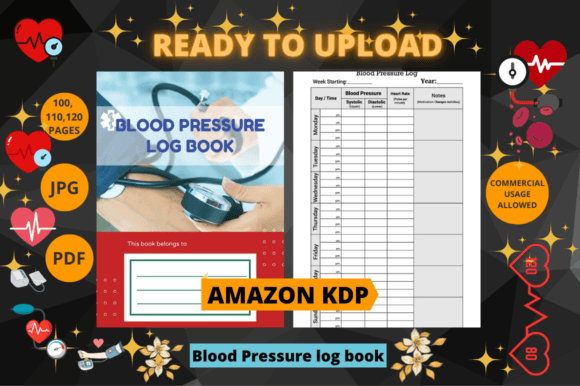
A Blood Pressure Log Book is more than just lined pages; it's a designed system. Its effectiveness hinges on core graphic design principles. A clear visual hierarchy ensures that critical information—like date, time, systolic/diastolic readings, and notes—is immediately scannable. Thoughtful typography choices promote readability, while a consistent color palette can reduce visual stress and guide the eye logically across the page. This is where editorial design meets user experience (UX) design, creating a tool that is both beautiful and immensely usable.
Practical Applications for Designers and Creators
The design principles applied to a health log book have broad applications across creative projects. Understanding how to structure data clearly is a transferable skill.
- Branding & Editorial Design: Creating a series of health-related products, like planners or wellness journals, requires a cohesive brand identity. A log book can be a cornerstone product, establishing a visual language of clarity, trust, and care.
- Digital Marketing & Social Media: The clean layouts and data visualization techniques used in print design translate directly to creating compelling social media graphics, infographics, and website content for health professionals, fitness brands, or wellness blogs.
- Packaging & Merchandise: The cover design of a log book is a case study in packaging design. It must communicate purpose, attract the right audience, and feel premium—skills applicable to any physical product.
- Presentation & Web Design: The internal layout informs how to present data clearly in slide decks or on a website's UI, ensuring information is accessible and aesthetically pleasing.
Choosing and Utilizing Design Assets Effectively
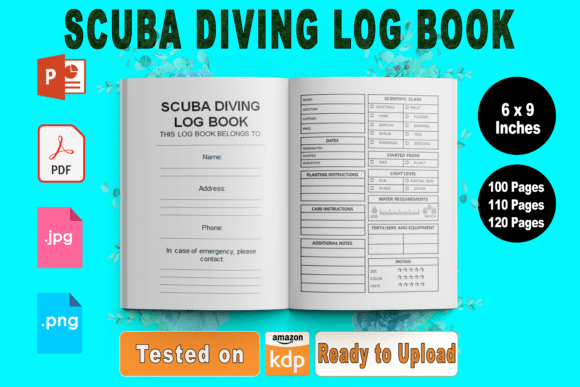
When selecting or creating assets like a log book template, quality and compatibility are paramount. A professional resource, such as a set of pre-designed log books ready for platforms like Amazon KDP, saves immense time in the design workflow. Key factors to evaluate include:
- Print-Ready Specifications: Dimensions (e.g., 8.5" x 11"), tested bleed settings, and high-resolution PDF files ensure a flawless final product without technical hiccups.
- Scalability & Customization: Good templates are built with flexibility in mind, allowing for adjustments to color palettes or typography to align with a specific brand identity.
- Consistency: A cohesive set of books (e.g., a series of six) demonstrates the power of a unified visual system, a fundamental concept in building strong brand recognition.
Ultimately, a tool like a Blood Pressure Log Book underscores the profound impact of thoughtful design. It proves that even the most utilitarian object can be elevated through attention to typography, layout, and user-centric principles. By investing in high-quality, professionally structured creative assets, designers, marketers, and business owners can ensure their projects not only look polished but also communicate with clarity and purpose, enhancing both user engagement and the overall brand experience.