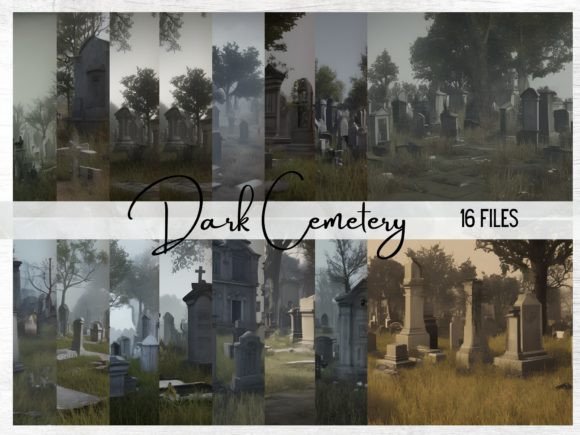
Dark Cemetery Backgrounds: Elevating Moody Design
The right background does more than fill space; it sets an entire mood. For designers seeking to evoke mystery, nostalgia, or a touch of the macabre, Dark Cemetery Backgrounds offer a uniquely powerful visual foundation. These assets are not just for Halloween themes; they are sophisticated tools for creating compelling narratives in branding, packaging, and digital content, especially when rendered in a medium as tactile and evocative as watercolor.
The Artistic Value of Watercolor Dark Cemetery Illustrations
Digital design often prioritizes crisp vectors and clean lines, but there is an enduring power in organic, hand-painted textures. Watercolor dark cemetery illustrations bridge the gap between digital precision and artistic imperfection. The fluidity of watercolor washes creates a sense of depth and atmosphere that flat graphics cannot replicate. This style is particularly effective for projects requiring a vintage aesthetic or a "dark academia" vibe, as the medium naturally softens harsh edges and blends colors in a way that feels timeless.
When working with these specific assets—a collection of 16 high-resolution illustrations—you gain access to a library of visual storytelling elements. The 3000px by 2000px dimensions ensure that these files are not just for web use but are robust enough for print design, allowing for flexibility in large-format applications like posters or book covers.
Practical Applications Across Creative Industries
Understanding how to apply these backgrounds can transform a standard project into a memorable experience. Here is how various creative sectors can utilize this aesthetic:
- Branding and Logo Design: For niche businesses—such as artisan coffee roasters, indie bookstores, or bespoke perfume brands—a dark cemetery background can serve as a textured backdrop for logo presentations. It adds a layer of grit and history to the brand identity.
- Editorial and Publishing: These illustrations are perfect for book covers in the fantasy, horror, or historical fiction genres. They can also be used as chapter dividers or full-bleed backgrounds in magazine layouts to anchor long-form storytelling.
- Social Media and Digital Marketing: In a crowded feed, a moody, watercolor aesthetic stops the scroll. Use these backgrounds for Instagram stories, quote cards, or promotional headers to create a cohesive, atmospheric visual hierarchy.
- Merchandise and Packaging: The texture of watercolor translates beautifully to physical products. Imagine these illustrations on tote bags, greeting cards, or coffee packaging. The RGB colorspace ensures the digital colors are vibrant, though designers should always proof for CMYK when moving to professional print production.
Integrating Typography with Atmospheric Imagery
A common challenge with detailed backgrounds is maintaining readability. When overlaying text on dark cemetery imagery, contrast is your best friend. Opt for light-colored typography—creams, pale yellows, or soft greys—to ensure legibility against the darker watercolor tones.
Furthermore, font choice dictates the tone. A distressed serif font reinforces a vintage or gothic feel, while a clean, modern sans-serif can create a striking contrast that feels contemporary and high-fashion. Always pay attention to visual hierarchy; use the background to support the message, not compete with it.
Selecting and Evaluating Design Assets
Not all assets are created equal. When sourcing creative resources like these backgrounds, professional designers evaluate them on several key factors:
- Resolution and Scalability: High-resolution files (300 dpi) are essential for versatility. They allow you to crop into specific details without losing quality, which is vital for responsive web design or large-scale print ads.
- Color Compatibility: While these files are in RGB, consider how the color palette interacts with your existing brand system. Dark, muted tones often work best as a canvas rather than the primary focus color.
- Usability: Assets should fit seamlessly into your design workflow. JPG files are universally compatible, making them easy to drop into Photoshop, Illustrator, or Canva for rapid prototyping.
Ultimately, the goal of any design asset is to solve a visual problem. Whether you are building a brand identity from scratch or refreshing a seasonal marketing campaign, incorporating high-quality, thematic elements like watercolor dark cemetery illustrations allows you to communicate with nuance and depth. By choosing assets that are both aesthetically pleasing and technically sound, you ensure that your final presentation is not only beautiful but also professional and effective.