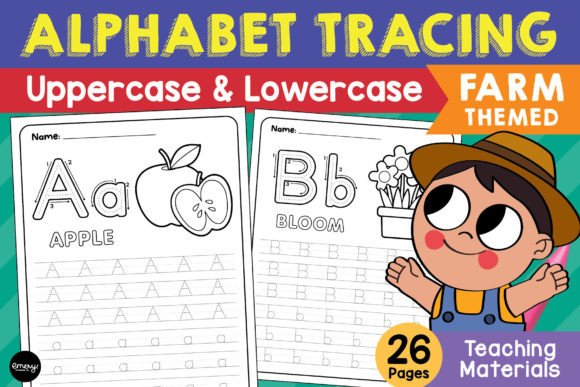
Farm Alphabet Tracing Worksheets: A Creative Design Asset
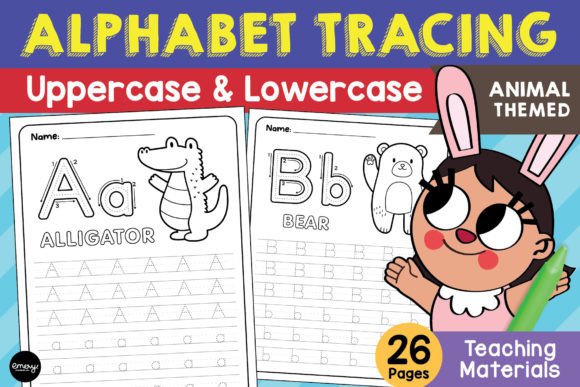
Engaging young learners with foundational literacy skills can be transformed into a visually rich experience through thoughtfully designed educational resources. The Alphabet Tracing Worksheets - Farm Theme is a prime example of how graphic design principles merge with pedagogical function, offering a resource that is both effective for learning and aesthetically coherent. This pack provides a structured yet creative framework for children to practice letter formation, making it an invaluable tool for educators, parents, and designers focused on creating educational materials.
The Role of Thematic Design in Educational Assets
From a visual design perspective, a strong theme does more than decorate; it creates context and enhances engagement. The farm theme in these worksheets establishes a familiar, friendly environment that can reduce learning anxiety and increase motivation. This approach mirrors core principles in branding, where a consistent visual identity builds recognition and trust. The cohesive use of farm-related imagery across all 26 pages ensures a unified user experience, demonstrating how a well-executed visual hierarchy and thematic consistency are critical in any design project, from print design to digital interfaces.
Practical Applications Beyond the Classroom
While designed for preschool, pre-k, and kindergarten students, the utility of such a meticulously crafted resource extends into various creative and professional domains. Its clean, high-resolution format makes it adaptable for numerous projects.
- Brand Identity for Educational Services: The worksheets' style can inform the logo design, color palette, and overall aesthetic for tutoring centers, childcare brands, or educational apps, ensuring visual communication resonates with both children and parents.
- Marketing and Social Media Graphics: Elements from the worksheets can be repurposed into engaging social media posts, blog graphics, or promotional materials for back-to-school campaigns, adding a touch of playful professionalism.
- Editorial and Packaging Design: The charming illustrations and typographic style can inspire layouts for children's books, activity kit packaging, or educational product labels, enhancing shelf appeal through modern aesthetics.
Evaluating and Implementing Design Assets Effectively
When integrating pre-designed assets into a larger project, critical evaluation is key. For the Alphabet Tracing Worksheets, consider these factors for optimal use:
- Consistency and Scalability: The black-and-white, high-DPI PDF format ensures crisp printing at standard dimensions, a crucial consideration for print design and packaging where clarity is paramount.
- Readability and User Experience: The clear instructions and progressive tracing activities (from recognition to independent tracing) create a logical user flow, akin to designing an intuitive UX design pathway in a digital product.
- Creative Flexibility: As a digital asset, it serves as a foundation. Designers can extract elements, adjust layouts, or use the style as inspiration for custom creative projects, blending it with existing brand systems for unique outcomes.
Ultimately, the strength of a resource like the Alphabet Tracing Worksheets lies in its thoughtful synthesis of form and function. It proves that even practical tools benefit immensely from professional graphic design, where every visual element is chosen to support a specific goal. By prioritizing assets that offer both aesthetic quality and practical utility, creators and educators can significantly elevate their projects, fostering better engagement and communication. Investing in high-quality design assets is an investment in clearer, more effective, and more visually compelling outcomes across all platforms.
Farm Alphabet Tracing Worksheets for Creative Learning
Imagine transforming a foundational literacy exercise into a visually engaging experience that sparks a child's imagination while reinforcing critical skills. The Alphabet Tracing Worksheets - Farm Theme achieves exactly this, blending essential letter practice with charming, thematic illustration. This resource is more than just a set of tracing pages; it’s a thoughtfully designed visual system that supports early learning through consistent, friendly aesthetics—a principle at the heart of effective educational design.
A Foundation in Visual Consistency and Thematic Branding
From a graphic design perspective, the power of this pack lies in its cohesive visual identity. The farm theme is not merely decorative; it creates a familiar, engaging world for the child. Each page maintains a consistent style, from the illustrative graphics to the clear typographic instructions, establishing a recognizable brand for the learning journey. This approach mirrors best practices in brand identity, where consistency builds trust and aids recognition. The black-and-white, high-resolution format (300 dpi) ensures clarity and versatility, functioning perfectly as a print design asset without compromising on detail.
Key Design Principles at Work
- Visual Hierarchy: Large, clear letterforms guide the primary action—tracing. Supporting elements like initial sound pictures and coloring areas are proportionally balanced, creating a clean layout that doesn't overwhelm young users.
- Functional Typography: The lettering is designed for utility, with ample space for tracing both uppercase and lowercase forms. This focus on legibility and user interaction is a core tenet of UI/UX design, even in analog formats.
- Integrated Imagery: The farm-themed illustrations serve a dual purpose: they contextualize the learning (e.g., 'A is for Apple' with an apple to color) and add visual interest, demonstrating how imagery can enhance communication without distracting from the core task.
Practical Applications in Creative and Educational Projects
While primarily an educational tool, the design principles and assets within this pack have broader applications for creators and marketers. Its clean, modular structure makes it adaptable for various projects.
- Content Creation & Social Media: Individual elements—like a beautifully traced letter or a charming farm icon—can be isolated and used in social media graphics, blog headers, or digital ads for educational services, adding a playful, professional touch.
- Packaging & Editorial Design: The thematic style can inspire the color palette, typography, and illustration style for children's book layouts, activity kit packaging, or educational product branding, ensuring a cohesive and appealing visual story.
- Digital Product Design: The worksheet format can serve as a wireframe or inspiration for designing interactive digital tracing apps, emphasizing clear instructions and a rewarding user flow.
Integrating Thematic Assets into a Design Workflow
When leveraging pre-designed resources like these worksheets, consider how they align with your project's goals. Their value is maximized when used as part of a larger system.
- Evaluate for Consistency: Assess if the asset's style (e.g., the farm illustration aesthetic) complements your existing brand or project's modern aesthetics. The consistent black-and-white scheme offers a neutral foundation that can be adapted with color accents.
- Consider the User Journey: The worksheets are structured for progressive learning—recognize, trace, then color. This thoughtful sequencing is a lesson in UX design, guiding the user through a logical process. Apply this principle when designing any instructional material.
- Focus on Scalability: The 8.5x11 inch, 300 dpi files are built for quality print reproduction. For digital use, ensure any exported elements maintain sufficient resolution for their intended platform, whether for web graphics or high-resolution presentations.
In the end, the most effective educational materials are those that marry function with thoughtful design. The Alphabet Tracing Worksheets - Farm Theme exemplifies how a strong, thematic visual system can make learning more intuitive and enjoyable. By selecting assets that prioritize clarity, consistency, and user engagement, designers and educators can create experiences that are not only effective but also aesthetically resonant, reinforcing the idea that every touchpoint in a learning journey is an opportunity for beautiful, purposeful design.