Multiplication Math Activity Book: A Design-Centric Asset
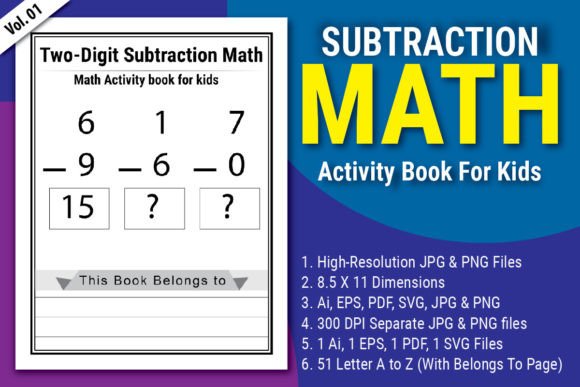
In the dynamic landscape of educational content creation, a well-designed Multiplication Math Activity Book stands out as a prime example of functional visual communication. This isn't just a collection of math problems; it's a carefully structured template designed for clarity, engagement, and brand-ready customization. For designers, marketers, and creators, it represents a versatile asset that blends pedagogical purpose with strong design principles, making it ideal for anyone building a brand in the educational or children's content space.
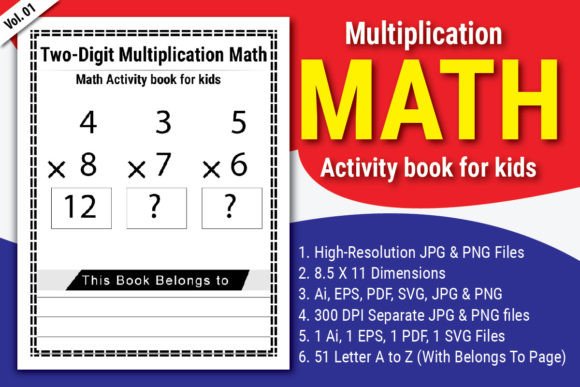
At its core, this digital and printable resource is built for modern workflows. Delivered in a comprehensive suite of formats—including AI, EPS, SVG, and print-ready PDFs—it offers unparalleled flexibility. The 51 high-resolution PNG and JPG files provide immediate, ready-to-use assets for a multitude of projects. This multi-format approach is a hallmark of professional-grade design assets, ensuring compatibility across various software and platforms, from Adobe Illustrator to Canva and beyond.
Visual Hierarchy and User Experience in Educational Design
The true value of this activity book template lies in its underlying visual design. Effective educational materials rely on a clear visual hierarchy to guide the user's eye. Clean layouts, ample white space, and a structured progression of problems are fundamental to a positive user experience (UX) for young learners. The template’s 8.5″ x 11″ dimension is an industry standard for print, ensuring a professional presentation whether used digitally or physically. For a designer, this provides a solid foundation upon to build a cohesive brand identity, using consistent typography, a defined color palette, and thematic imagery.
Practical Applications for Creators and Businesses
While its primary function is educational, the design principles embedded in this asset have broad applications across creative projects. Consider how its structured format can inform other areas of design and content creation:
- Digital Product Development: This template is a ready-made foundation for a sellable product on platforms like Amazon KDP. The recommendation to personalize it—by rearranging pages, adding unique clip art, or altering titles—highlights a key design principle: adaptation. Making the asset "all your own" is essential for standing out and aligning with your specific brand identity.
- Content Marketing & Social Media: Individual activity pages or design elements can be repurposed as engaging social media graphics. A visually appealing math puzzle can become an interactive post, driving engagement and providing value to your audience.
- Packaging and Merchandise: The playful, educational aesthetic can inspire packaging design for children’s products or be adapted into merchandise like posters or flashcards, extending your brand's physical presence.
Evaluating and Implementing Design Assets Effectively
When incorporating any pre-designed template into your creative projects, a strategic approach is crucial. First, assess its compatibility with your existing design system. Does the visual style—its typography, line work, and use of space—complement your established brand? Next, consider scalability and readability. The clean lines in this activity book ensure elements remain crisp, a vital factor for both print design and digital applications.
Finally, leverage the asset to enhance your design workflow. Instead of starting from scratch, use the template’s structure to save time on layout and organization. Focus your creative energy on customization: infuse it with your brand’s unique voice, color palette, and illustrative style. This process not only results in a polished, professional product but also strengthens your overall visual communication, making your content more memorable and effective.
In an era where content is abundant, thoughtful design is what captures and holds attention. Quality creative assets, like a meticulously structured activity book template, do more than look good—they streamline creation, ensure consistency, and elevate the end-user experience. By making intentional design choices, you transform functional content into a powerful tool for branding, education, and connection.