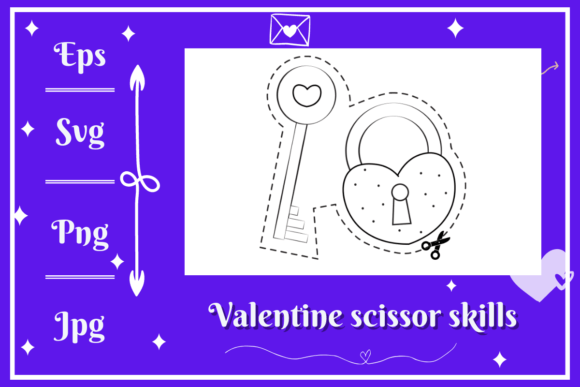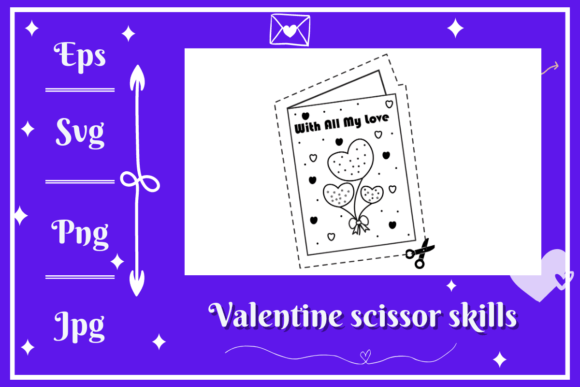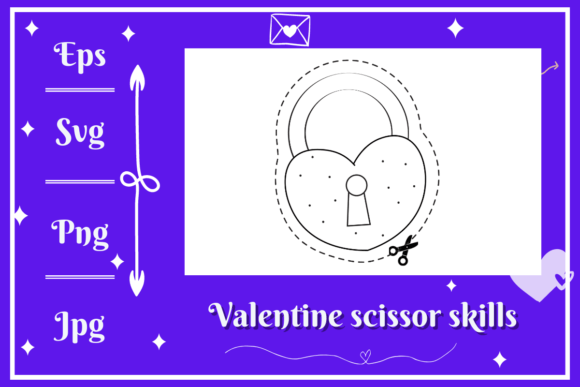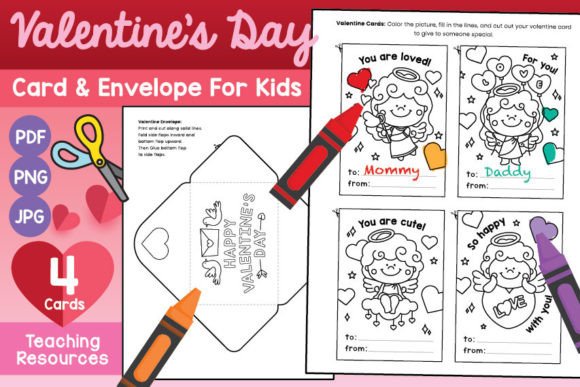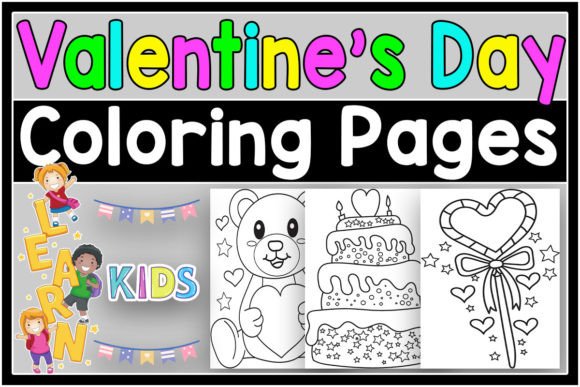
Valentine's Day Coloring Pages for Kids: A Design Resource
For graphic designers and creative professionals, the right asset can transform a project, and Valentine's Day Coloring Pages for Kids offer a surprisingly versatile foundation for a range of visual communications. These resources, often found in a comprehensive Valentine’s Day Coloring Book Pages for Kids, provide more than just simple outlines; they present curated illustrations of magical moments that can inspire brand narratives, enhance marketing materials, and create engaging user experiences. This exploration delves into the practical applications and design considerations for leveraging these themed assets effectively.
Strategic Applications in Modern Design
While seemingly niche, these coloring pages serve as excellent creative assets for projects targeting family-oriented audiences or requiring a touch of whimsical charm. Their value extends across multiple design disciplines, offering pre-constructed visual elements that can be adapted and integrated into larger systems.
- Brand Identity & Marketing: Use the illustrations as foundational motifs for logo design, packaging, or social media graphics for businesses like bakeries, florists, or children's brands. The consistent style ensures visual coherence across campaigns.
- Digital & Editorial Design: Incorporate simplified line art into website headers, blog post graphics, or interactive UI elements for seasonal promotions. The clean vector-friendly lines ensure scalability and readability at any size.
- Merchandise & Print Projects: The designs are perfectly suited for creating branded merchandise, greeting cards, or educational materials, providing a professional presentation with a playful aesthetic.
Evaluating and Implementing Design Elements
Selecting the right Valentine's Day Coloring Pages for Kids requires a designer's eye for detail. Focus on assets that demonstrate strong visual hierarchy, balanced composition, and clean line work. These elements are crucial for maintaining brand consistency and ensuring the illustrations communicate effectively within your project's context.
Consider the following when integrating these assets into your design workflow:
- Color Palette Integration: Analyze the line art and plan a color scheme that complements your existing brand identity. A harmonious palette will strengthen brand recognition and aesthetic appeal.
- Typography Pairing: Choose typefaces that match the tone of the illustrations—whether playful, elegant, or modern. Good typography will enhance the overall message and user engagement.
- Scalability and Adaptation: Ensure the source files are high-resolution or vector-based. This allows for seamless adaptation across print design, web design, and various digital marketing formats without loss of quality.
By thoughtfully applying these principles, designers can elevate simple coloring pages into sophisticated components of a broader creative project. The goal is to use these assets not as standalone items, but as integrated parts of a cohesive visual story that resonates with the target audience.
Ultimately, the strategic use of themed creative assets like these coloring pages underscores a commitment to thoughtful design. They offer a practical solution for infusing projects with personality and warmth, demonstrating how quality resources can streamline the design process while significantly enhancing both the aesthetic outcome and the communicative power of your work.