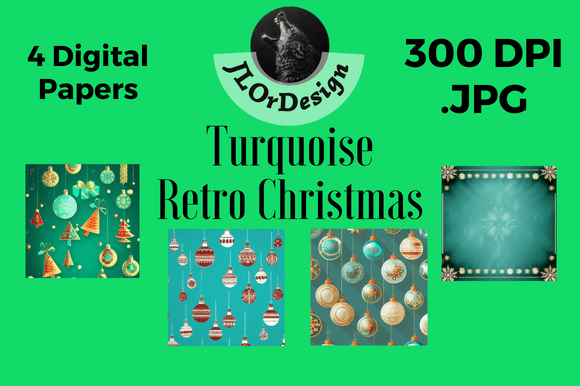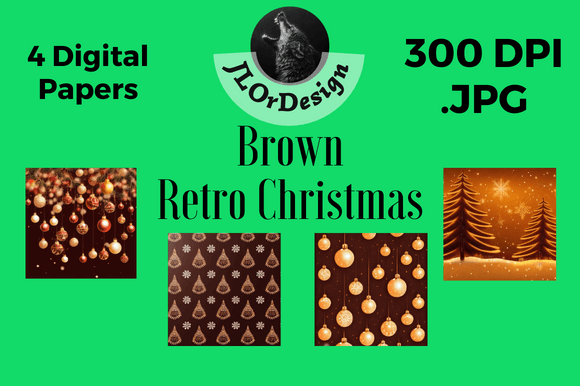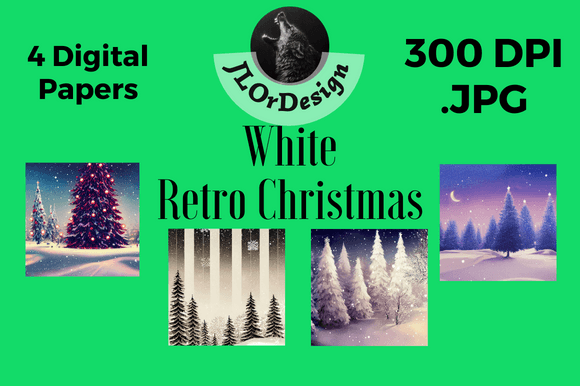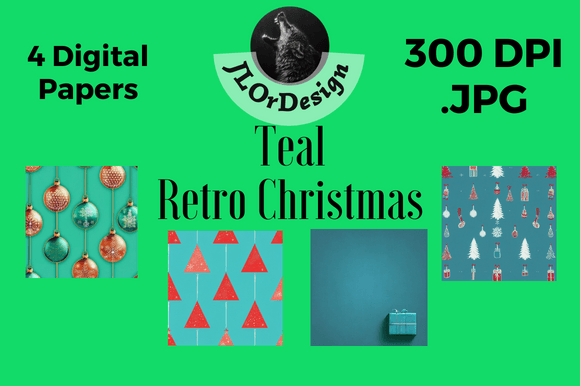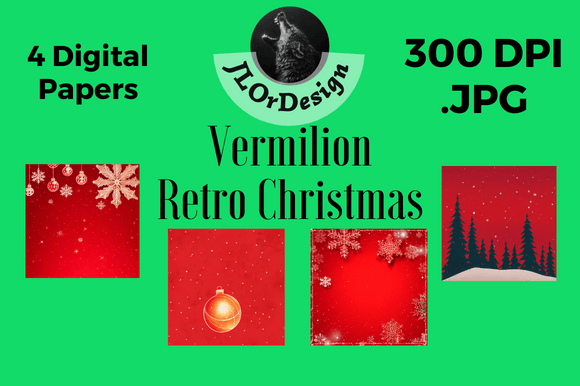
Vermilion Retro Christmas Digital Papers: A Designer's Festive Asset
Imagine wrapping your holiday project in the warm, nostalgic glow of a classic Christmas card. The rich, vibrant hue of vermilion immediately evokes tradition, warmth, and festive cheer. This is precisely the feeling captured in these Vermilion Retro Christmas Digital Papers, a curated set of four vintage-inspired backgrounds designed to inject instant character and professional polish into your creative work.
In modern graphic design, the right texture and color palette are foundational to effective visual communication. These digital papers are more than just pretty patterns; they are versatile creative assets that solve a common design challenge: achieving an authentic, retro aesthetic without compromising on quality or resolution. For designers, marketers, and business owners, they offer a direct path to stronger brand identity and more engaging visual content.
The Role of Texture in Visual Design
Flat, solid colors are clean, but they can lack depth. Textures and patterns, like those found in these retro Christmas papers, add a layer of tactile realism and emotional resonance. They guide the viewer's eye, establish visual hierarchy, and can make a design feel more approachable and human. In a digital landscape saturated with sleek minimalism, a touch of vintage warmth can be a powerful differentiator.
Practical Applications for Your Projects
The true value of a design asset lies in its adaptability. These high-resolution JPG files (3600x3600 pixels at 300 dpi) are built for a multitude of professional applications. Consider integrating them into:
- Branding & Logo Design: Use as a textured background for holiday logos, business cards, or packaging mockups to reinforce a brand's seasonal story.
- Marketing & Social Media Graphics: Create eye-catching Facebook covers, Instagram stories, or Pinterest pins that stand out in a crowded feed. The vermilion color pops, increasing engagement.
- Editorial & Web Design: Enhance blog headers, digital magazine layouts, or website hero sections with a festive, nostalgic backdrop that doesn't overwhelm the primary content.
- Packaging & Merchandise: Design unique gift tags, wrapping paper, tote bags, or mugs. The seamless, repeatable pattern potential makes them ideal for physical products.
- Presentations & Digital Products: Elevate slideshows, e-book covers, or online course materials with a professional, cohesive theme that feels curated and high-quality.
Integrating Assets into Your Design Workflow
Successfully incorporating patterned backgrounds requires thoughtful composition to maintain readability and visual balance. Here are key considerations for using these papers effectively:
- Ensure Consistency: Use the same paper or color family across a campaign to build a recognizable visual language. This strengthens brand identity and creates a seamless user experience.
- Master Visual Hierarchy: Layer your typography and key imagery strategically. Use solid color overlays, drop shadows, or text boxes to ensure your message remains clear and legible against the textured background.
- Evaluate Scalability: The high-resolution files ensure your designs look crisp whether printed on a small tag or displayed on a large screen. Always check how textures render at your final output size.
- Match Audience Expectations: The retro Christmas style is perfect for brands targeting nostalgia, family, tradition, or artisanal quality. Ensure the aesthetic aligns with your target demographic and overall design goals.
Typography plays a crucial role when paired with such distinctive backgrounds. Opt for clean, sans-serif fonts for modern contrast or elegant serifs to complement the vintage feel. Let the vermilion hue inform your broader color palette—pair it with cream, forest green, or gold for a harmonious and professional presentation.
Ultimately, thoughtful design is about making intentional choices that serve both aesthetics and function. Investing in high-quality, versatile creative assets like these digital papers streamlines your design workflow, elevates the final product, and ensures your visual communication is both beautiful and effective. They are not just decorations; they are tools for telling a more compelling story.