Coffee-Inspired Digital Papers: A Designer's Essential Toolkit
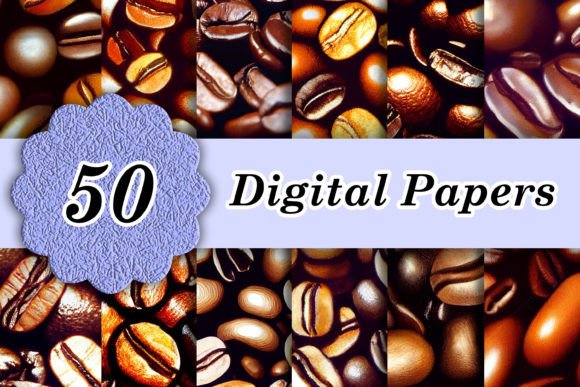
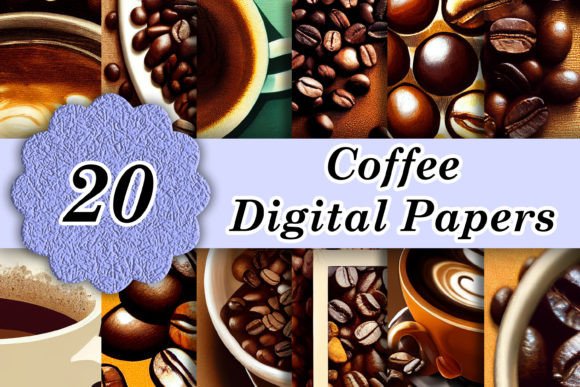
The aroma of fresh coffee isn't just a morning ritual; it's a powerful visual motif that evokes warmth, comfort, and sophistication. For designers and creators seeking to infuse their projects with this inviting atmosphere, a curated collection of 20 Coffee Themed Digital Papers offers an immediate and versatile solution. These high-resolution assets provide a foundational layer of texture and mood, ready to be seamlessly integrated into a wide array of creative work, from brand identity systems to social media campaigns.
Elevating Visual Communication with Thematic Assets
In modern graphic design, the strategic use of themed assets like these coffee backgrounds is a cornerstone of effective visual communication. They go beyond mere decoration, serving to establish an immediate emotional connection with the audience. A coffee-themed texture can signal artisanal quality for a café brand, suggest a cozy reading experience for a publisher, or add a layer of grounded professionalism to corporate presentations. The consistency provided by a unified set of 20 designs ensures brand coherence across all touchpoints, strengthening recognition and trust.
Practical Applications Across Design Disciplines
The utility of these digital papers spans nearly every creative field. Consider how they can transform your projects:
- Branding & Logo Design: Use subtle coffee stains or rich, dark roasts as backdrops for logo mockups or brand guideline documents, instantly conveying a specific brand personality.
- Marketing Materials: Enhance flyers, menus, brochures, and email headers with textured backgrounds that catch the eye and feel tactile, even in a digital format.
- Social Media Content: Create scroll-stopping Instagram stories, Facebook posts, or Pinterest graphics with backgrounds that add depth and visual interest to quotes, promotions, and announcements.
- Website & UI Design: Apply these textures as hero image backgrounds or section dividers to break up flat layouts and introduce a human, artisanal feel to web design and user interfaces.
- Packaging & Editorial Design: They are perfect for creating product labels, hang tags, or magazine layouts that require a rustic, gourmet, or vintage aesthetic.
Selecting and Integrating Design Elements Effectively
When incorporating assets like a coffee-themed paper pack, thoughtful selection is key to maintaining a polished result. First, evaluate the visual hierarchy. A busy, dark roast texture might overwhelm a text-heavy layout but could be perfect for a bold header. Conversely, a light, subtle coffee filter pattern can provide texture without compromising readability. Always consider your existing color palette and ensure the chosen paper complements rather than clashes with your brand's hues.
Compatibility is also crucial. These files, delivered as high-resolution 300 dpi JPGs in a standard 12" x 12" format, are designed for maximum flexibility. They scale beautifully for large-format print design and can be easily cropped for digital use. For a cohesive design workflow, consider creating a library of these assets within your design software, allowing you to quickly apply them to various creative projects, from advertising campaigns to merchandise mockups.
Enhancing User Experience and Brand Perception
Ultimately, the goal of any design is to communicate a message and shape an experience. Quality creative assets like these coffee-themed backgrounds contribute directly to that goal. They help build a professional presentation that resonates with an audience's expectations and emotions. In UX design, a carefully chosen background can reduce cognitive load by providing a pleasant, familiar context. In digital marketing, it can increase engagement by making content feel more relatable and visually appealing.
Investing in well-crafted, thematic design resources is an investment in your project's success. They save valuable time in the design workflow, provide instant design inspiration, and ensure a level of consistency and quality that elevates the final output. By choosing assets that align with your project's goals and audience, you leverage the power of visual design to tell a more compelling story, one that is both aesthetically pleasing and strategically sound.