Expenses Tracker: A Designer's Guide to Financial Clarity
In the fast-paced world of creative work, managing project budgets and personal finances often takes a back seat to design exploration. A well-structured Expenses Tracker is more than a spreadsheet; it's a critical design asset that brings visual order to financial chaos, enabling creators to focus on their craft with confidence.
The Visual Design of Financial Management
From a graphic design perspective, an effective tracker is an exercise in information hierarchy and clean layout design. It transforms raw numerical data into a clear, scannable narrative. This isn't about mere accounting; it's about applying principles of visual design to create a tool that is both functional and aesthetically coherent, reducing cognitive load and enhancing usability.
Practical Applications for Creatives
The utility of a professionally designed tracker extends across various creative and business domains, serving as a foundational tool for operational excellence.
- Brand Identity & Consistency: For freelancers and agencies, tracking project expenses meticulously is vital for maintaining profitability and informing accurate brand pricing strategies.
- Marketing & Social Media: Allocating budgets for ad spend, influencer collaborations, and content production requires clear oversight to maximize digital marketing ROI.
- Packaging & Product Design: Material costs, printing, and prototyping expenses are significant. A tracker helps manage these line items, ensuring packaging design projects stay on budget.
- Presentations & Proposals: When pitching to clients, a clear financial breakdown, presented with professional presentation clarity, builds trust and demonstrates business acumen.
Integrating the Tracker into Your Design Workflow
Selecting the right tracker format is a design decision in itself. Consider these factors for seamless integration into your creative process:
- Format & Compatibility: Opt for versatile formats like PDF, PPT, or high-resolution PNG/JPG that are compatible with your existing software, whether it's Adobe Creative Suite, Canva, or presentation tools.
- Typography & Readability: The chosen typeface must prioritize clarity. Sans-serif fonts often excel in numerical contexts, supporting quick data absorption—a key tenet of effective UI design.
- Color Palette & Hierarchy: A restrained color palette can be used to highlight key figures or categories. This strategic use of color guides the eye, creating a logical visual hierarchy.
- Scalability & Print Quality: A print-ready, high-quality PDF ensures your tracker looks sharp on any screen or when printed for physical review, embodying the standards of good print design.
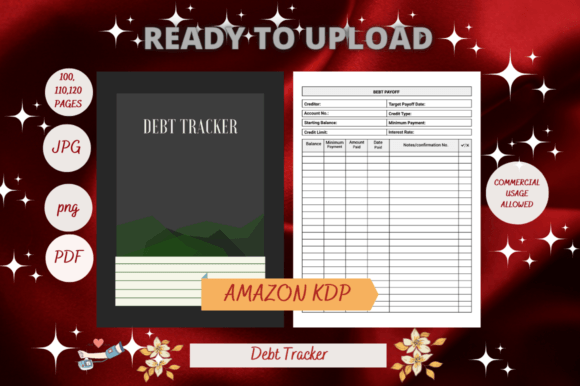
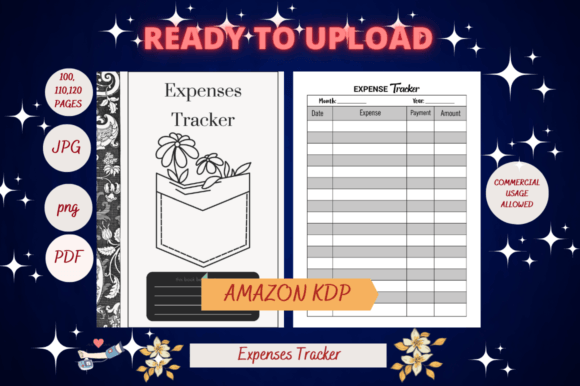
For those seeking a ready-made solution, resources like an Expenses Tracker for KDP offer pre-designed, tested interiors in multiple page counts (100, 110, 120 pages) and standard 8.5" x 11" dimensions, complete with no-bleed settings. These assets, available as PDF, PPT, PNG, and JPG files, provide a polished starting point that can be adapted to any brand's aesthetic, saving valuable time in the design workflow.
Ultimately, the choice of creative assets—whether for tracking expenses or crafting a logo—reflects a commitment to quality and intentionality. By applying graphic design principles to everyday business tools, you reinforce a cohesive brand identity and create a more organized, sustainable, and visually harmonious practice. Thoughtful design choices in all aspects of your work communicate professionalism and enhance every interaction.
Expenses Tracker: A Designer's Guide to Financial Clarity
In the fast-paced world of creative work, managing project budgets and personal finances often takes a back seat to design exploration. A well-structured Expenses Tracker is more than a spreadsheet; it's a critical design asset that brings visual order to financial chaos, enabling creators to focus on their craft with confidence.
The Visual Design of Financial Management
From a graphic design perspective, an effective tracker is an exercise in information hierarchy and clean layout design. It transforms raw numerical data into a clear, scannable narrative. This isn't about mere accounting; it's about applying principles of visual design to create a tool that is both functional and aesthetically coherent, reducing cognitive load and enhancing usability.
Practical Applications for Creatives
The utility of a professionally designed tracker extends across various creative and business domains, serving as a foundational tool for operational excellence.
- Brand Identity & Consistency: For freelancers and agencies, tracking project expenses meticulously is vital for maintaining profitability and informing accurate brand pricing strategies.
- Marketing & Social Media: Allocating budgets for ad spend, influencer collaborations, and content production requires clear oversight to maximize digital marketing ROI.
- Packaging & Product Design: Material costs, printing, and prototyping expenses are significant. A tracker helps manage these line items, ensuring packaging design projects stay on budget.
- Presentations & Proposals: When pitching to clients, a clear financial breakdown, presented with professional presentation clarity, builds trust and demonstrates business acumen.
Integrating the Tracker into Your Design Workflow
Selecting the right tracker format is a design decision in itself. Consider these factors for seamless integration into your creative process:
- Format & Compatibility: Opt for versatile formats like PDF, PPT, or high-resolution PNG/JPG that are compatible with your existing software, whether it's Adobe Creative Suite, Canva, or presentation tools.
- Typography & Readability: The chosen typeface must prioritize clarity. Sans-serif fonts often excel in numerical contexts, supporting quick data absorption—a key tenet of effective UI design.
- Color Palette & Hierarchy: A restrained color palette can be used to highlight key figures or categories. This strategic use of color guides the eye, creating a logical visual hierarchy.
- Scalability & Print Quality: A print-ready, high-quality PDF ensures your tracker looks sharp on any screen or when printed for physical review, embodying the standards of good print design.
For those seeking a ready-made solution, resources like an Expenses Tracker for KDP offer pre-designed, tested interiors in multiple page counts (100, 110, 120 pages) and standard 8.5" x 11" dimensions, complete with no-bleed settings. These assets, available as PDF, PPT, PNG, and JPG files, provide a polished starting point that can be adapted to any brand's aesthetic, saving valuable time in the design workflow.
Ultimately, the choice of creative assets—whether for tracking expenses or crafting a logo—reflects a commitment to quality and intentionality. By applying graphic design principles to everyday business tools, you reinforce a cohesive brand identity