Suba Diving Log Book: A Designer's Guide to Niche Creative Assets
Every well-crafted project begins with a purpose, and for graphic designers, finding specialized assets that serve a clear function can be the key to unlocking powerful visual communication. The Suba Diving Log Book represents more than just a functional item; it's a case study in how niche, purpose-driven design can solve problems for both creators and end-users, blending practicality with polished aesthetics.
The Role of Specialized Design in Visual Communication
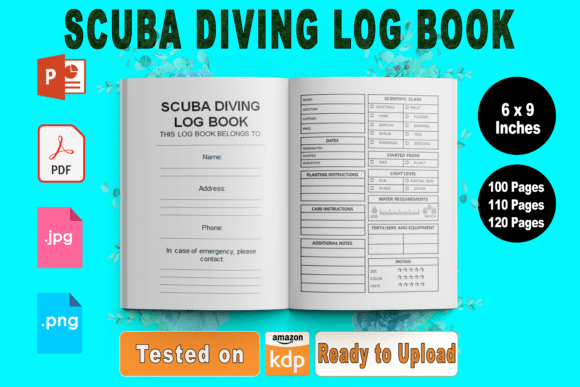
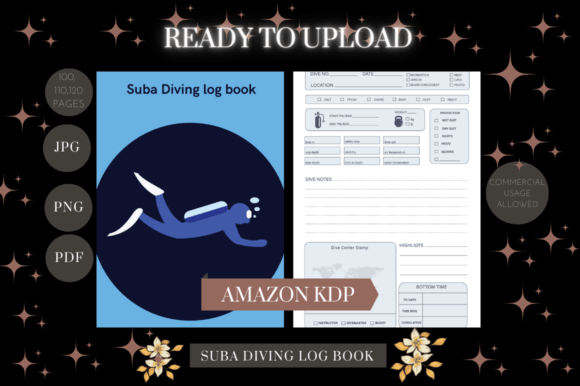
In a saturated market, generic templates often fall flat. A thoughtfully designed Suba Diving Log Book, for instance, speaks directly to a passionate audience. Its value lies in its specificity—structured layouts for logging dive sites, depths, and observations aren't just about data entry. They are about creating an experience. This attention to user needs mirrors core principles in UX design, where understanding the user's journey is paramount. For designers, this asset demonstrates how visual hierarchy and clear typography guide a user effortlessly through content, turning a simple record into a cherished personal archive.
Practical Applications Beyond the Dive
While the primary function is logging, the design principles embedded in a quality log book have broad applications. Its clean, structured grid can inspire:
- Editorial Design: The layout for tracking dives can inform the organization of data-heavy reports, planners, or catalogues, ensuring information is scannable and engaging.
- Brand Identity Systems: A cohesive log book reinforces a brand's authority within a niche. The same disciplined approach to color palette and iconography can extend to marketing materials, social media graphics, and even packaging design for related gear.
- Digital Product Design: The user interface of a physical log book can directly translate to the UI design of a companion mobile app, creating a seamless cross-platform brand experience.
Evaluating and Implementing Niche Assets
When selecting a creative asset like this, focus on its foundational design quality. A professional-grade asset, such as the ready-to-upload KDP set with its tested dimensions and print-ready files, offers immense value. It saves hours in production while guaranteeing a professional presentation. Key factors to assess include:
- Consistency: Does the design maintain a uniform style across all pages and formats (PDF, PNG, JPG)? Consistency is the bedrock of strong brand identity.
- Readability & Scalability: Is the typography clear at various sizes? Will the design elements hold up in both large print and small digital thumbnails? This is crucial for modern aesthetics across media.
- Compatibility: Does the asset's style—its lines, weights, and spacing—complement your existing design workflow and other creative assets?
Choosing a resource that is "tested" and "ready to upload" removes technical friction, allowing you to focus on customization and integration into larger creative projects, from advertising campaigns to merchandise.
Ultimately, the most effective design is that which fulfills a need with elegance and intelligence. A specialized tool like a meticulously crafted log book proves that even the most functional items can be elevated through thoughtful graphic design. By investing in high-quality, purpose-built assets, designers and creators ensure their work not only looks exceptional but also communicates with clarity and resonates deeply with its intended audience, strengthening every touchpoint of a brand's visual narrative.